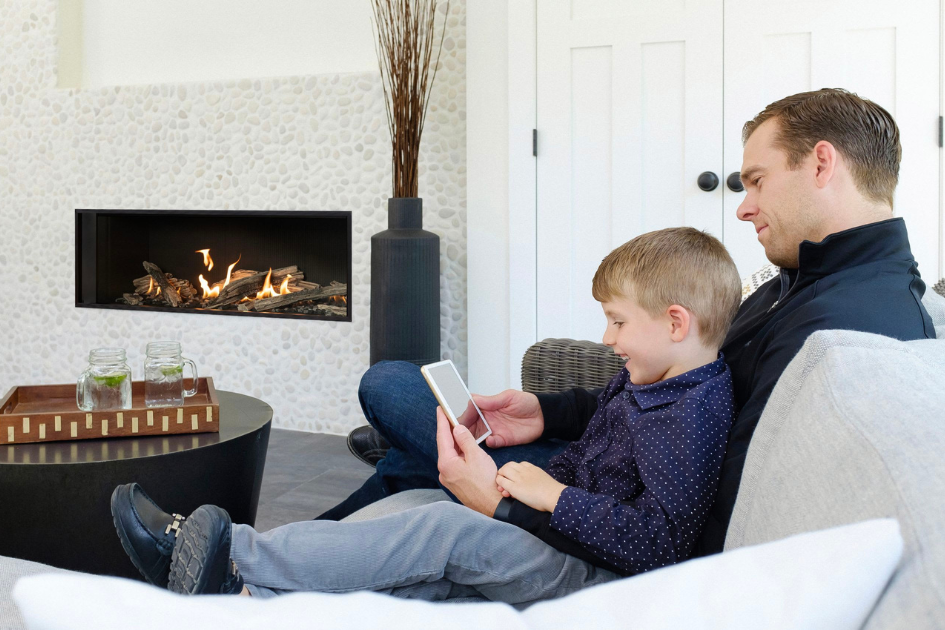

Winter is a season of comfort, warm rooms, longer evenings indoors, and heating systems working steadily in the background. But when homes are sealed tightly against the cold, one invisible risk becomes more important to understand: carbon monoxide.
Carbon monoxide (CO) is odorless, colorless, and impossible to detect without proper equipment. During colder months, when fireplaces, furnaces, and other fuel-burning appliances are used more frequently, the risk of buildup increases. Understanding how it forms, and how to prevent it, can help keep your home safe and worry-free all winter long.
Why Carbon Monoxide Risks Increase in Winter

Carbon monoxide is produced when fuels like natural gas, propane, oil, or wood burn incompletely. In winter, several factors combine to raise the risk:
- Heating systems run more often and for longer periods
- Windows and doors remain closed, reducing fresh airflow
- Fireplaces and stoves are used more frequently
- Snow or ice can block exterior vents
When airflow is restricted, exhaust gases may not vent properly. That’s when carbon monoxide can accumulate indoors.
Fuel-burning appliances commonly associated with CO include:
- Gas furnaces
- Gas fireplaces
- Wood-burning fireplaces and stoves
- Gas water heaters
- Attached garages (running vehicles)
Many homeowners reviewing gas versus electric options also consider this factor, since electric fireplaces do not produce combustion gases.
The Subtle Signs of Carbon Monoxide Exposure

Because carbon monoxide cannot be seen or smelled, symptoms are often mistaken for something else, especially in winter.
Early signs may include:
- Headaches
- Dizziness
- Nausea
- Fatigue
- Shortness of breath
If multiple household members feel similar symptoms at the same time, especially when heating systems are running, it’s important to leave the home and seek fresh air immediately.
Carbon monoxide detectors are essential because they alert you before symptoms become severe. Understanding the risks is one part of the equation. Preventing them is the next.
How Fireplaces and Heating Systems Play a Role

Fuel-burning fireplaces and heating systems are safe when properly installed and maintained. Problems typically arise when something disrupts ventilation or airflow.
Common winter-related issues include:
- Blocked chimney flues
- Snow covering exterior exhaust vents
- Cracked heat exchangers in furnaces
- Poorly maintained burners
Seasonal fireplace maintenance and regular inspections significantly reduce these risks. Many of the same habits that improve efficiency also support safe operation throughout winter.
Homes that use fireplaces as part of zone heating strategies should be especially mindful of airflow and venting conditions. Fortunately, there are simple steps every homeowner can take.
Practical Steps to Reduce Carbon Monoxide Risk

A few simple precautions can make a meaningful difference:
- Install carbon monoxide detectors on every level of the home
- Test detectors monthly and replace batteries as needed
- Schedule annual inspections for furnaces and gas fireplaces
- Keep vents and chimneys clear of debris and snow
- Never run vehicles inside attached garages
If your home includes a gas fireplace, routine professional servicing helps ensure burners and venting systems are functioning properly.
For homeowners considering upgrades, modern fireplace inserts and heating systems are designed with improved efficiency and safety features, which can further reduce risk.
In the end, winter safety comes down to awareness and routine care.
A Safe and Comfortable Winter at Home

Carbon monoxide risks increase in winter simply because heating systems work harder. But with the right precautions in place, your home can remain both warm and safe.
Regular maintenance, proper ventilation, and working detectors create peace of mind—so you can focus on enjoying the season instead of worrying about what you can’t see.
IS YOUR FIREPLACE WINTER-READY?
A seasonal inspection can help ensure safe, worry-free comfort all winter long.